
Need Help?
The Truth About Dehydration — And Why Your Skin Feels It First
Immortal Cosmedical • December 2, 2025
If you’ve ever looked in the mirror and noticed dullness, fine lines, or tight, flaky skin, dehydration might be the silent culprit. Unlike dry skin, which is a skin type, dehydration is a condition that can affect any skin type, at any age.
While dehydration is often temporary, repeated or chronic dehydration can contribute to premature ageing, including fine lines, wrinkles, and a weakened skin barrier.
But how much water do you really need? And how do factors like coffee, alcohol, or weather change that number?
Let’s dive in.
What Is Dehydration, Really?
Dehydration happens when your body is losing more fluids than it’s taking in. For your skin, that means less water is available in the upper layers, which leads to:
- Dullness and lack of glow
- Tightness or itchiness
- Fine lines are becoming more visible
- A crepey or papery texture
- Makeup sitting unevenly or flaking
Even oily or acne-prone skin can become dehydrated.
How Much Water Do You Actually Need?
The old "8 glasses a day" rule is a good start, but your needs depend on:
- Body weight: A common guide is 33ml per kg of body weight
- Activity level: Exercise = more sweat = higher water loss
- Climate: Hot or dry weather increases water needs
- Food intake: If you eat water-rich foods (like cucumber, watermelon, soups), your fluid needs may be slightly lower
- Rough guide: 2.5 to 3.5 litres per day for most adults in temperate climates
Coffee & Alcohol: What Do They Really Do?
Coffee
Caffeine is a mild diuretic, but research shows moderate coffee intake doesn’t significantly dehydrate you. However, if you’re having more than 3 cups a day, you should offset it by drinking extra water.
Rule of thumb
Drink one extra glass of water for every cup of coffee.
Alcohol
Alcohol is much more dehydrating. It increases urine output and inhibits the hormone (ADH) that helps your body retain water.
That "wine glow" the night of? It’s usually inflammation. The real effects show up as dullness and dehydration the next day.
Rule of thumb
One glass of water for every alcoholic drink, and extra the next day.
Other Dehydration Triggers
- Air travel: Low humidity in planes draws moisture from your skin
- Heaters and air conditioning: Both dry out the air, pulling water from your skin
- Salt and sugar: Diets high in processed foods, sodium, or sugar can contribute to fluid imbalance
- Stress: Cortisol and adrenaline impact your hydration levels and skin barrier function
How Dehydration Affects Aesthetic Results
Whether you’re having dermal filler, skin boosters like Profhilo, or biostimulator treatments, dehydration can impact both the appearance and longevity of your results:
Volume & Plumpness
- Filler relies on the skin's water content to appear plump and natural.
- Dehydrated skin may make results look flat, crepey or less visible.
Skin Quality Treatments
- Skin boosters, microneedling, and PRP need healthy hydration levels to support healing and glow.
- Dehydrated skin may heal more slowly or show reduced results.
Longevity of Results
- Hyaluronic acid-based fillers draw and hold water.
- If you're not hydrated, the filler can't perform as well and may break down faster.
Healing and Recovery
- Dehydrated skin = slower healing and a higher risk of flaking or irritation post-treatment.
Pro tip: Hydrate well before and after your treatment for optimal, longer-lasting results.
How to Tell If You’re Dehydrated
- Skin feels tight or sensitive
- Fine lines are more pronounced than usual
- Skin looks dull, especially in the afternoon
- You feel tired, foggy, or unusually thirsty
So... What Can You Do?
Internally:
- Aim for 2.5–3.5L water/day, adjusting for caffeine, alcohol, activity & climate
- Include water-rich foods: cucumber, zucchini, citrus, berries, soups
- Use electrolytes if you’ve been sweating a lot
Externally:
- Use a humectant serum (like hyaluronic acid) under your moisturiser
- Apply moisturiser to damp skin to seal in hydration
- Avoid over-washing or stripping cleansers
- Try professional treatments that boost skin hydration and barrier repair
Final Thoughts
Drinking more water isn’t a magical fix — but when your skin is dehydrated, it can absolutely make a difference.
Hydration not only supports healthy skin function but also enhances the results of your cosmetic treatments.
Combine proper hydration with skincare that supports your barrier, and your skin will feel (and look) more plump, radiant, and comfortable.
Ready for a skin reset?
Explore treatments that support hydration, skin barrier repair, and overall skin health at Immortal Cosmedical, Skin & Cosmetic Clinic in the Southern Highlands.
Book your personalised consultation today.
A complete guide to non-surgical cosmetic treatments at our Bowral clinic — fillers, skin boosters, microneedling and more, nurse-led by Melissa.
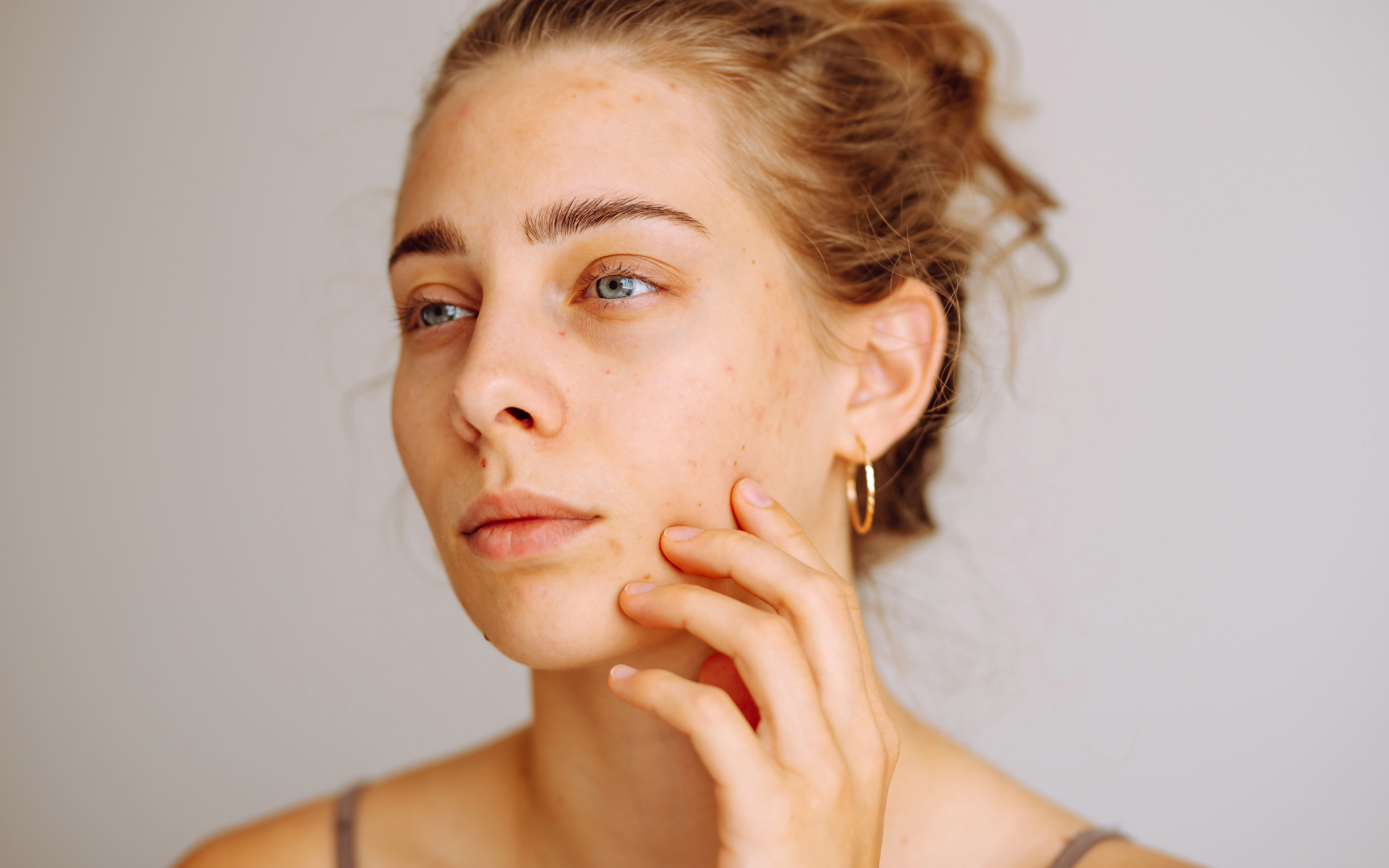
From fine lines to uneven tone, here's what we commonly treat at our Bowral cosmetic clinic — and how Melissa approaches each concern in consultation.

Looking for a cosmetic clinic in Bowral? Here's what actually matters, from practitioner training to clinical oversight. Nurse-led, no hard sell.

Creams, treatments or daily habits? If you want to know how to get rid of wrinkles, this guide cuts through the noise with honest, practical advice that works.

Confused about fine line treatments, skin boosters, treatment timing and results? Immortal Cosmedical Bowral explains common cosmetic treatment myths and when to book a consultation.

If you have been researching treatments for ageing, tired, dull, or dehydrated skin, you have probably come across terms such as skin boosters, deep remodelling, regenerative skin treatments, Sunekos, Rejuran, and Exosome Therapy with skin needling. It can be confusing because many of these treatments are designed to improve skin quality, but they do not all work in the same way. Some focus more on hydration and firmness. Some support collagen and elastin. Others are designed to help with texture, repair, radiance or overall skin renewal. At Immortal Cosmedical in Bowral, I believe the best results come from choosing the right treatment for your skin, not simply the treatment name you have heard most about. So let's break down the science behind these treatments in a simple, easy-to-understand way.

Learn how ongoing dermal filler use may impact facial appearance and when product adjustment could be discussed with a practitioner.
Discover how Eneomey skincare helps your skin renew and glow after treatments. Find out which products are right for your skin type.
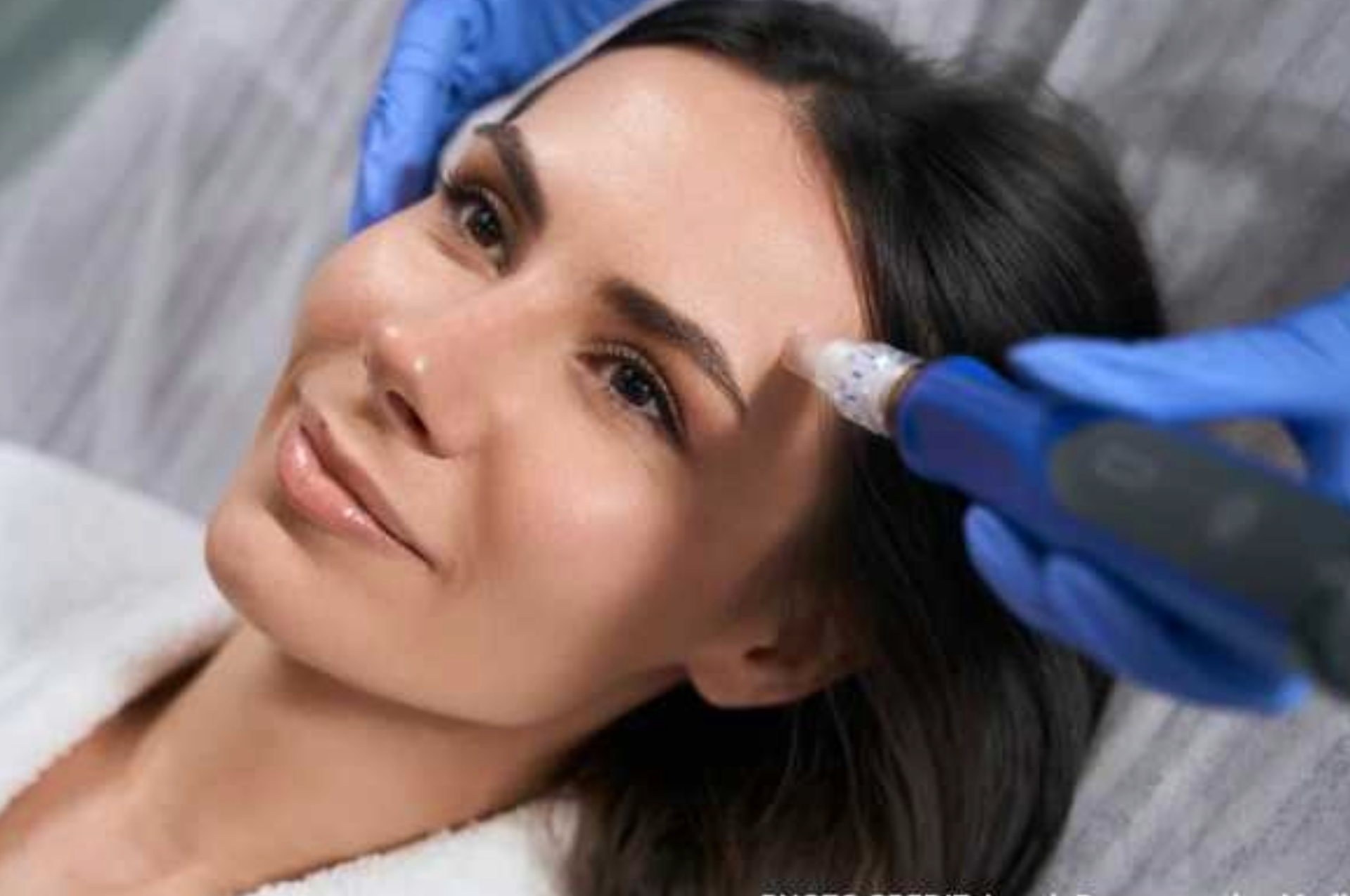
Exosome therapy with skin needling is now at Immortal Cosmedical in Bowral. 5 billion Exomide exosomes delivered deep into skin to regenerate, repair and glow.
Learn what causes rosacea, its symptoms, common triggers, and effective treatment options for calm, healthy skin.