

Need Help?
What You Should Know About Long-Term Dermal Filler Use
Immortal Cosmedical • December 2, 2025
Dermal filler treatments are one of the most popular non-surgical cosmetic options available today. When administered correctly, they can help restore volume, smooth fine lines, and support facial contouring. But while many people are familiar with the immediate benefits of filler, there’s far less discussion about what happens with repeated treatments over time and why, in some cases, dissolving filler might be part of maintaining your best results.
What Are Dermal Fillers?
Most dermal fillers used in Australia are made from hyaluronic acid (HA), a naturally occurring substance found in the body that attracts and retains water. This makes it ideal for adding volume and hydration to specific areas of the face, such as the lips, cheeks, chin, and under-eye hollows. These fillers are temporary and gradually break down over time, typically lasting between 6 to 18 months depending on the product used and the treatment area.
What Happens With Repeated Filler Use?
Over time, consistent filler treatments can lead to product buildup in certain areas. This can happen if new filler is placed without waiting for the previous product to dissolve fully or if the body doesn't break it down as expected. In some cases, this accumulation can result in:
- Puffiness or an "overfilled" look
- Changes to natural facial proportions
- Lumps or uneven texture
- Long-term swelling or fluid retention
These effects are not always visible immediately and may develop gradually over several sessions.
When Might Filler Dissolving Be Recommended?
If a patient is experiencing undesired results from past filler or simply wants to reset before continuing their aesthetic journey, a trained practitioner may recommend dissolving the existing filler using a prescription-only enzyme called hyaluronidase. This process can help:
- Remove excess or misplaced filler
- Restore more natural facial contours
- Prepare the area for future, more balanced treatment
Dissolving isn’t always necessary, but in some cases, it leads to better long-term results and improved skin quality.
Does Filler Migration Really Happen?
Yes, filler migration is a real phenomenon. It refers to filler moving slightly from the original injection site to the surrounding tissue. This is more likely when:
- Injections are placed too superficially
- Repeated treatments are performed too frequently
- The area is highly mobile (e.g. lips or under eyes)
Migration can contribute to a look that feels less natural over time, which is why experienced practitioners will monitor for this and discuss long-term treatment planning.
How to Maintain Natural-Looking Results
- Always have a consultation with an experienced practitioner who can assess the existing filler and facial structure.
- Allow adequate time between sessions for the product to settle or dissolve.
- Don’t chase volume — small, balanced treatments often produce better outcomes than large-volume changes.
- Review results regularly and be open to dissolving or adjusting treatment over time.
Final Thoughts
Dermal filler is a powerful tool in cosmetic medicine, but like all treatments, it works best when used thoughtfully and tailored to the individual. Understanding how your skin and facial structure change over time, and knowing when to add or remove product, is essential to achieving a refreshed, natural appearance that ages beautifully.
Thinking about dermal fillers or concerned about a past treatment? Book a personalised consultation at Immortal Cosmedical, a cosmetic clinic in Bowral, to explore your options.
All cosmetic treatments involve risks and require a clinical consultation. Individual results vary.
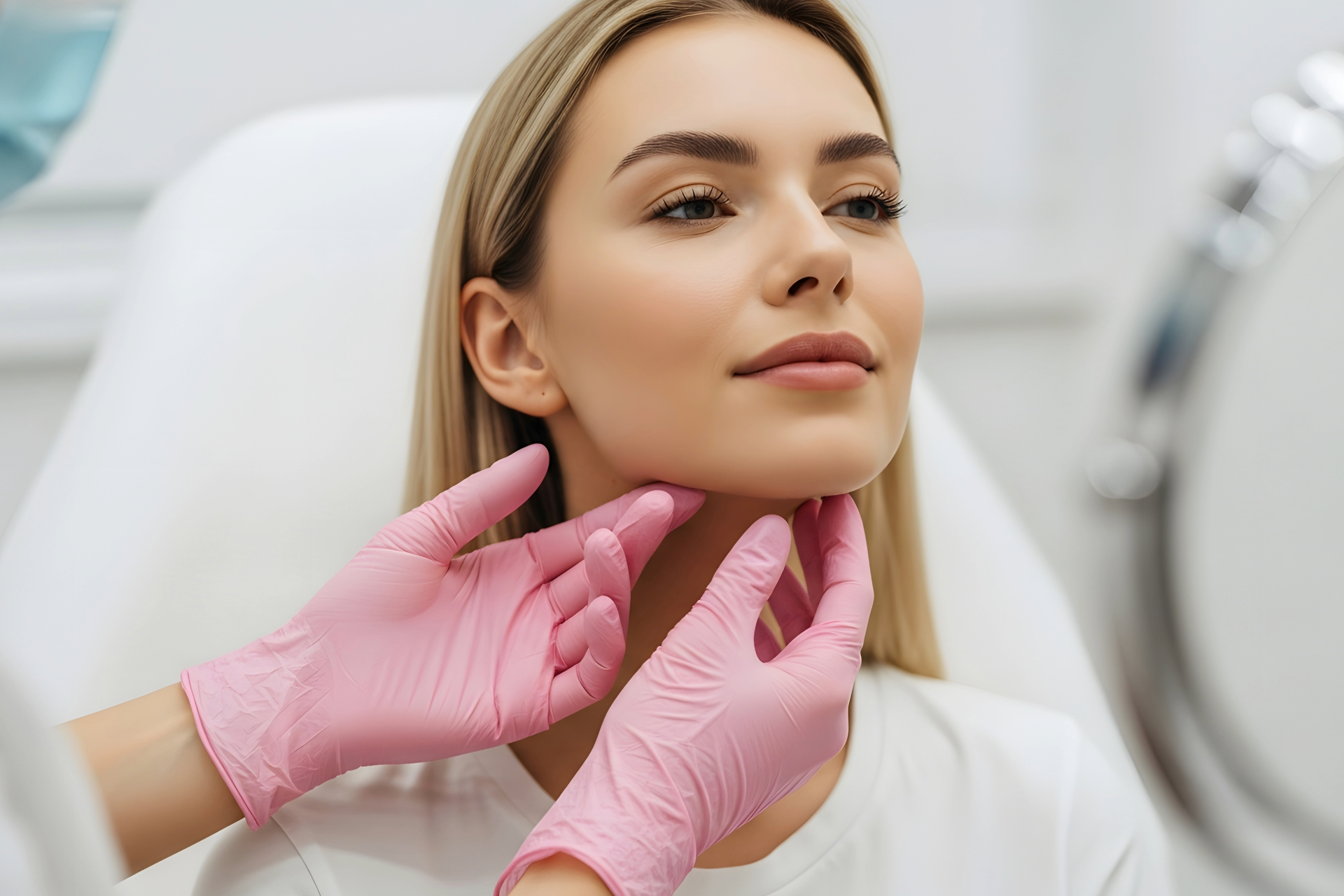
A complete guide to non-surgical cosmetic treatments at our Bowral clinic — fillers, skin boosters, microneedling and more, nurse-led by Melissa.

From fine lines to uneven tone, here's what we commonly treat at our Bowral cosmetic clinic — and how Melissa approaches each concern in consultation.

Looking for a cosmetic clinic in Bowral? Here's what actually matters, from practitioner training to clinical oversight. Nurse-led, no hard sell.

Creams, treatments or daily habits? If you want to know how to get rid of wrinkles, this guide cuts through the noise with honest, practical advice that works.

Confused about fine line treatments, skin boosters, treatment timing and results? Immortal Cosmedical Bowral explains common cosmetic treatment myths and when to book a consultation.

If you have been researching treatments for ageing, tired, dull, or dehydrated skin, you have probably come across terms such as skin boosters, deep remodelling, regenerative skin treatments, Sunekos, Rejuran, and Exosome Therapy with skin needling. It can be confusing because many of these treatments are designed to improve skin quality, but they do not all work in the same way. Some focus more on hydration and firmness. Some support collagen and elastin. Others are designed to help with texture, repair, radiance or overall skin renewal. At Immortal Cosmedical in Bowral, I believe the best results come from choosing the right treatment for your skin, not simply the treatment name you have heard most about. So let's break down the science behind these treatments in a simple, easy-to-understand way.

Skin feeling tight or flaky? Learn how dehydration affects your skin and how to support it through water, skincare, and lifestyle. Read the full blog.
Discover how Eneomey skincare helps your skin renew and glow after treatments. Find out which products are right for your skin type.
Exosome therapy with skin needling is now at Immortal Cosmedical in Bowral. 5 billion Exomide exosomes delivered deep into skin to regenerate, repair and glow.

Learn what causes rosacea, its symptoms, common triggers, and effective treatment options for calm, healthy skin.