

Need Help?
How to Get Rid of Wrinkles: A Simple, Honest Guide
Immortal Cosmedical • July 10, 2026
You catch your reflection in a shop window. Just for a second. And there it is, a line across your forehead that definitely wasn't there a few years back.
It's not dramatic. Nobody else probably even notices. But you do, and now you can't stop looking for it every time you pass a mirror.
If you've started searching for how to get rid of wrinkles, you're probably getting a mix of expensive product ads and confusing medical jargon. Wrinkles have a way of creeping up like that. Slowly, then all at once. The good news is you have more control over ageing skin than you might think. Some of it comes down to small daily habits. Some of it comes down to knowing which treatments actually help, and which ones are more hype than substance.
Here's what's actually worth knowing.
Why Do Wrinkles Form in the First Place?
Most wrinkles don't come from just one cause. They're a natural part of facial ageing, and a few things work together under the surface, building up slowly over years.
Ageing and Collagen
As we get older, skin cell production slows down. So does collagen production, which is the protein that gives skin its structure and bounce. Collagen sits in the deeper layers of skin, just under the outer layer, and supports skin elasticity from underneath. As the body produces less of it, and existing collagen breaks down faster than it's replaced, skin starts to lose firmness. This is when sagging skin, folds and wrinkles start to show in the skin's appearance.
Sun Damage
Sun exposure is one of the biggest reasons skin ages early. Harmful UV rays reach the outermost layer of skin and break down collagen over time. This is often called photoageing, or premature ageing, and it shows up as fine lines, dark spots, sun damaged skin and rough texture, usually well before the rest of your body shows its age. Long term sun exposure doesn't stop at wrinkles either. It's also a leading risk factor for skin cancer, which is one more reason sun protection matters.
Smoking
Smoking does real damage to skin, and it's one of the most direct habits causing wrinkles. It slows down the body's ability to make new collagen, which speeds up wrinkle formation. It also narrows blood vessels near the skin's surface, which limits blood flow and oxygen to skin cells.
Stress
Stress isn't just bad for your mood. Under stress, the body releases a hormone called cortisol. Too much cortisol over time can break down collagen in the skin, which is one of the less obvious ways stress shows up on your face.
Facial Expressions
Smiling, frowning and squinting are all normal parts of life. But repetitive movements in the same facial muscles can eventually turn into permanent lines, especially around the eyes and mouth. This is why lines in these areas tend to show up earlier than anywhere else.
Environmental Toxins
Pollution and other toxins in the environment can also damage collagen. This adds up over the years, especially if you're not protecting and cleansing your skin daily.
Where Wrinkles Show Up First
Some areas of the face tend to develop facial wrinkles earlier than others. Knowing where to expect them can help you focus your prevention efforts.
Forehead Wrinkles
Forehead wrinkles are often some of the first lines people notice. They form from years of raising the eyebrows, and from general sun exposure across an area of skin that gets a lot of daily movement. If you're looking to reduce forehead wrinkles, sun protection and consistent skin care make the most difference here.
Frown Lines
Frown lines sit between the eyebrows and form from repeated frowning or squinting. They tend to deepen with sun exposure and become more noticeable with age, since the skin around them naturally loses elasticity over time.
Smile Lines and the Upper Lip
Smile lines run from the nose down to the corners of the mouth, and fine wrinkles can also form along the upper lip, especially with age or long term sun exposure. These areas move constantly throughout the day, which is part of why they show visible ageing earlier than areas of the face that move less.
Daily Habits That Help Prevent Wrinkles
Prevention is often simpler than people expect, and good skin care doesn't have to be complicated. None of the habits below are difficult. They just need to be consistent.
Drink More Water
Hydrated skin looks fuller and plumper. This can make fine lines less noticeable, since dry skin tends to sit flatter and show texture more easily. Aim for around two litres of water a day to help support your skin from the inside, alongside a moisturiser suited to your skin type.
Wear Sunscreen Every Day
This is one of the most useful habits on this list. Applying a broad spectrum sunscreen with a sun protection factor of at least 30 every day helps prevent the kind of sun damage that leads to early wrinkles. It matters even on cloudy days, since UV rays pass through cloud cover. On days with strong sun, it also helps to wear protective clothing, such as a hat or long sleeves, for extra coverage.
Eat Foods Rich in Antioxidants
Antioxidants help protect skin cells from damage. A diet with plenty of berries, leafy greens and other antioxidant-rich foods can help reduce the visible signs of ageing over time, and supports healthy skin and a more even skin tone.
Get Enough Sleep
Skin does a lot of its repair work while you sleep, which is one of the simplest ways to reduce wrinkles without changing anything else in your routine. Aiming for around eight hours a night gives your skin the time it needs to recover from the day and repair small amounts of daily damage. Sleep position matters too. Sleeping on the same side each night can lead to sleep wrinkles, which are creases that form from skin being pressed against a pillow in the same spot over and over.
Quit Smoking
If you smoke, cutting back or quitting can make a real difference. Avoiding smoking helps protect the collagen your skin already has, and supports the production of new collagen too.
Try Facial Exercises
Facial exercises won't undo deep wrinkles, but they may help tone facial muscles and smooth wrinkles caused by loss of firmness. Over time, this can support a firmer, less saggy appearance, particularly around the cheeks and jawline.
Skincare Ingredients Worth Knowing
Not all skin care products are equal, and good skin care is about more than just price. A few ingredients have good evidence behind them, and it's worth knowing what to look for on a label.
Retinoids
Retinoids are a well-known skincare ingredient. They help stimulate collagen production, which can improve texture and reduce the appearance of fine lines over time. Most people need a few weeks of regular use before any change is visible, so patience matters here.
Vitamin C
Vitamin C is another ingredient worth looking for. It helps protect skin from free radical damage, which is one of the everyday causes of skin ageing, and it can also help support a brighter, more even complexion.
Hyaluronic Acid
Hyaluronic acid is another ingredient worth knowing, though it's important to understand the context it's used in. In skin care, hyaluronic acid is applied topically in serums and moisturisers, where it helps draw moisture into the skin and support a plumper look. This is different to how the same ingredient is used in professional treatments performed by a qualified practitioner. For everyday skin care, a topical hyaluronic acid serum is a simple, low risk way to support hydration.
Home Remedies and Everyday Wrinkle Care
Not every wrinkle remedy needs to come from a clinic. There are plenty of home remedies that support the daily habits and skin care already covered above.
Simple options include applying a good wrinkle cream or moisturiser twice a day, using a humidifier in dry indoor air, and staying consistent with sunscreen and an antioxidant-rich diet. None of these will remove existing wrinkles on their own, but they support the skin's natural repair process and can make other treatments work better alongside them.
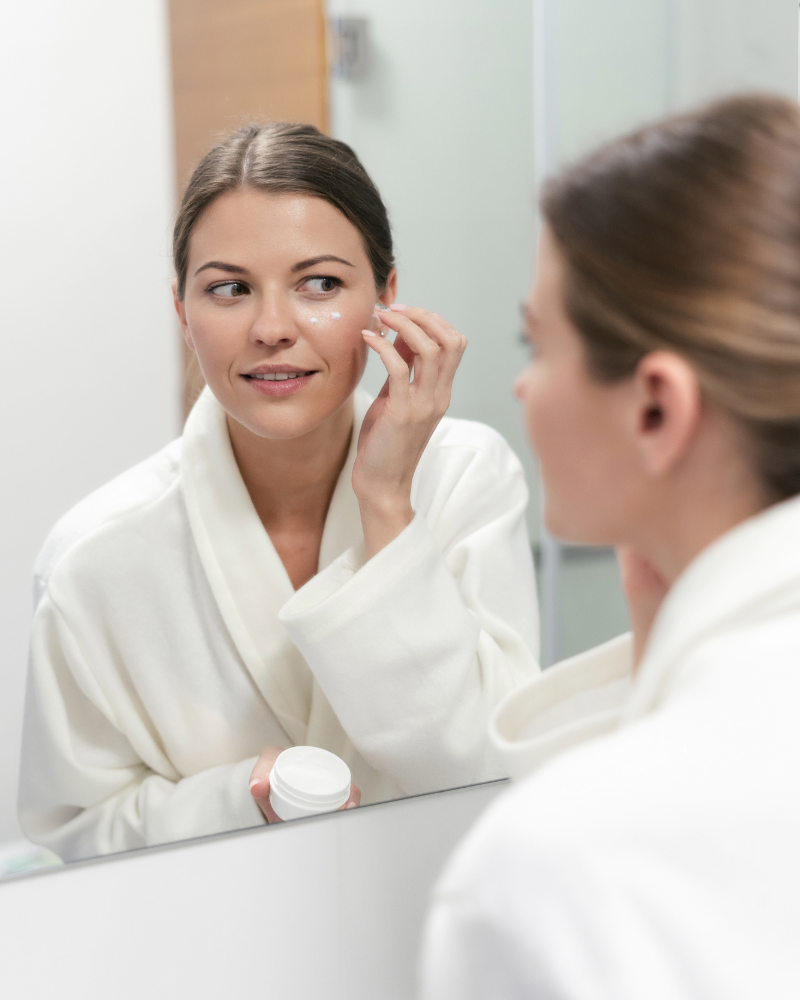
Professional Treatments for Wrinkles
Good habits and skin care can only do so much. For deeper lines or more visible signs of ageing, some people start looking into how to get rid of wrinkles with the help of a professional. This is where it becomes important to choose carefully, and to treat wrinkles with the right approach for your skin, not just the most popular one.
Health authorities are clear that any cosmetic treatment should be performed by a qualified, registered practitioner. Choosing someone with proper training keeps you safe, and gives you a realistic idea of what a treatment can and can't do for you.
Microneedling
One option some clinics offer is microneedling. This treatment uses tiny, controlled punctures in the skin to encourage new skin cell renewal. It's often used to support smoother texture over time. If you're in the Southern Highlands and want to know what's suitable for your skin, a Bowral cosmetic clinic can talk you through the wrinkle treatments available and what's realistic for your goals.
Chemical Peels and Other Medical Treatments
Chemical peels are another option offered by some clinics, using different strengths depending on the result you're after. Lighter peels work on the outer layer of skin, while deeper peels reach further down and usually come with more downtime. Laser resurfacing is another medical treatment some people consider for stubborn sun damage, though these are more involved options and are not offered at every clinic, including this one. A consultation is the best way to find out which medical treatments for wrinkles, if any, are genuinely worth considering for your skin.
Surgical Options
For more advanced signs of ageing, some people look into surgical options such as eyelid surgery, a face lift or a neck lift. Immortal Cosmedical only offers non-surgical treatments, so if your goals go beyond what a non-surgical approach can achieve, a referral to a plastic surgeon may be the more appropriate next step.
Whatever wrinkle treatments you're considering, a proper consultation should always come first. This means a real conversation about your skin, your goals, and what a treatment plan actually involves, including cost and recovery time.
When to See a Professional
You don't need deep wrinkles before it's worth a chat with a professional. A consultation can be useful even if you're only starting to notice fine lines and want advice on prevention rather than treatment.
What to Expect at a Consultation
A good consultation should cover your skin history, your goals, and any suitability concerns. It should also be honest. A qualified professional will tell you what's realistic, not just what sounds appealing.
Setting Realistic Expectations
Results take time, no matter which path you choose, since ageing skin responds differently for everyone. Daily habits like sunscreen and
hydration work quietly in the background over months, not days. Skin care ingredients like retinoids need a few weeks of consistent use before a difference shows. Professional treatments vary from person to person, and a good practitioner will give you an honest timeframe during your consultation, rather than a one-size-fits-all promise.
Common Myths About Wrinkles
There's a lot of noise out there about wrinkles. Some of it is worth ignoring.
Myth: Expensive Products Always Work Better
Price doesn't always match results. What matters more is the actual ingredients in a product, and whether you use it consistently. A cheaper wrinkle cream with the right ingredients, used every day, will usually beat an expensive one sitting half-used in a drawer.
Myth: Overnight Creams Can Remove Wrinkles
No cream works overnight. Skin renews itself on its own timeline, and most good skincare ingredients need weeks of steady use before any change is visible. Anything promising instant results is worth a second look before you buy it.
Myth: Wrinkles Mean You Haven't Looked After Your Skin
Genetics play a real role in facial changes too. Some people are simply more prone to visible lines than others, regardless of how well they've cared for their skin. Wrinkles are a normal sign of a life lived, not a report card.
Myth: You Should Wait Until Wrinkles Are Obvious Before Doing Anything
Prevention works best early. Habits like daily sunscreen have far more impact before deep lines have formed than after. If you're wondering how to get rid of wrinkles before they even show up, starting earlier tends to make things easier down the track than waiting.
Takeaway
Wrinkles aren't a flaw to fix overnight. They're a normal part of facial ageing, and no single product or treatment will erase them completely. But that doesn't mean you're powerless.
Small daily habits, a bit of sun sense, and the right advice at the right time can all help reduce wrinkles and make a real difference to how your skin looks and feels.
Start with what's easiest. Drink more water today. Wear sunscreen tomorrow morning. If you're looking to get rid of wrinkles for good, everything else can come later, at your own pace.

SQT and SkinPen both focus on skin renewal, but their techniques, sensations and recovery differ. Learn what sets these treatments apart.
A complete guide to non-surgical cosmetic treatments at our Bowral clinic — fillers, skin boosters, microneedling and more, nurse-led by Melissa.

From fine lines to uneven tone, here's what we commonly treat at our Bowral cosmetic clinic — and how Melissa approaches each concern in consultation.

Looking for a cosmetic clinic in Bowral? Here's what actually matters, from practitioner training to clinical oversight. Nurse-led, no hard sell.

Confused about fine line treatments, skin boosters, treatment timing and results? Immortal Cosmedical Bowral explains common cosmetic treatment myths and when to book a consultation.

If you have been researching treatments for ageing, tired, dull, or dehydrated skin, you have probably come across terms such as skin boosters, deep remodelling, regenerative skin treatments, Sunekos, Rejuran, and Exosome Therapy with skin needling. It can be confusing because many of these treatments are designed to improve skin quality, but they do not all work in the same way. Some focus more on hydration and firmness. Some support collagen and elastin. Others are designed to help with texture, repair, radiance or overall skin renewal. At Immortal Cosmedical in Bowral, I believe the best results come from choosing the right treatment for your skin, not simply the treatment name you have heard most about. So let's break down the science behind these treatments in a simple, easy-to-understand way.

Learn how ongoing dermal filler use may impact facial appearance and when product adjustment could be discussed with a practitioner.

Skin feeling tight or flaky? Learn how dehydration affects your skin and how to support it through water, skincare, and lifestyle. Read the full blog.
Discover how Eneomey skincare helps your skin renew and glow after treatments. Find out which products are right for your skin type.
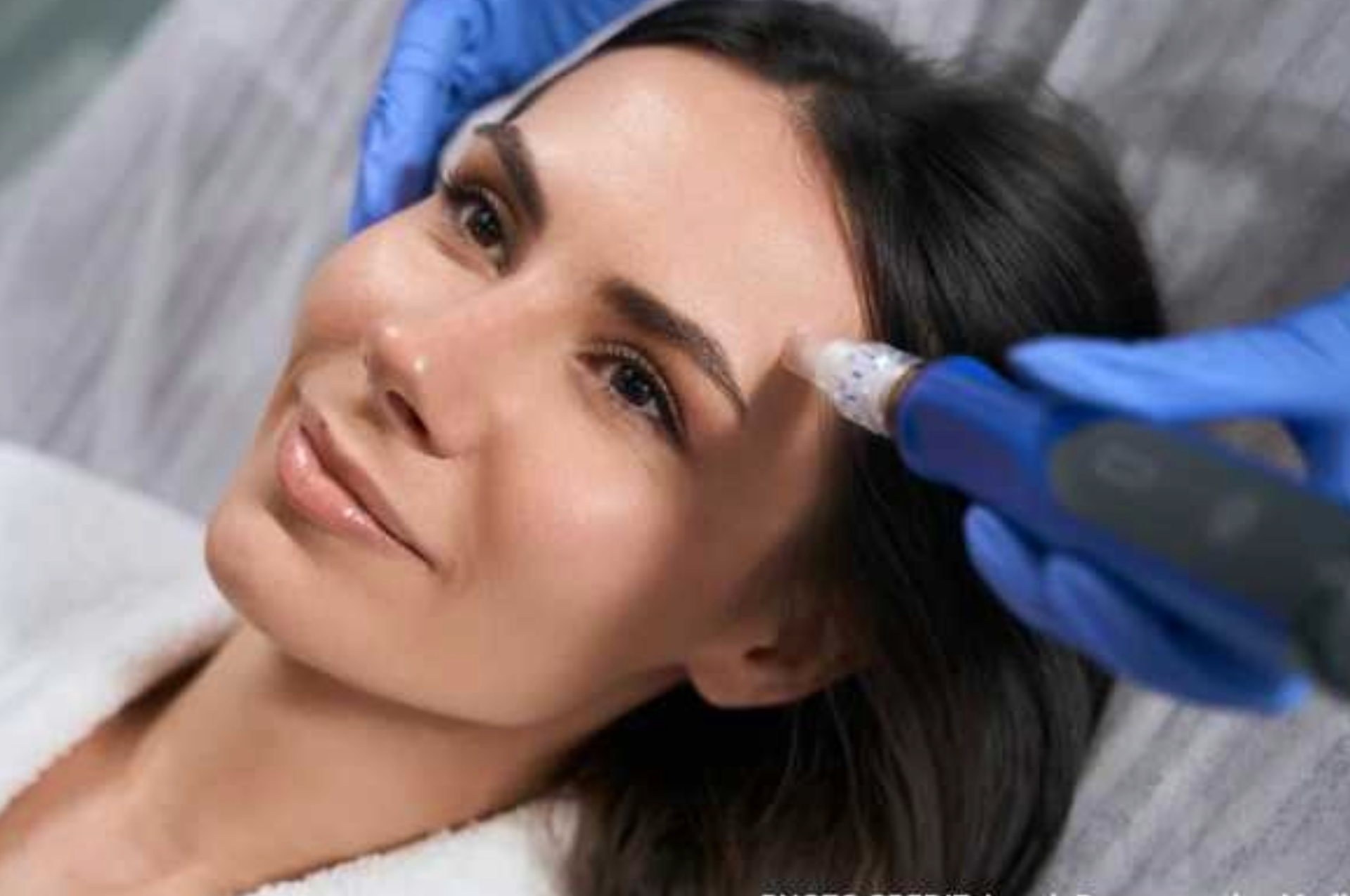
Exosome therapy with skin needling is now at Immortal Cosmedical in Bowral. 5 billion Exomide exosomes delivered deep into skin to regenerate, repair and glow.