
Need Help?
Skin Needling vs SQT Bio-Microneedling: What's Actually Different?
Immortal Cosmedical • September 21, 2026
If you've been researching skin needling, you've probably come across two very different approaches: traditional microneedling and the newer SQT bio-microneedling. Both aim to renew and refresh the skin, but they get there in quite different ways.
Understanding this difference can make it easier to know what to expect from each option, including the treatment process, sensation, downtime and the visible skin concerns each may help improve.
What Is Skin Needling?
Skin needling, also known as traditional microneedling, involves using very fine needles to create controlled micro-channels in the skin.
At Immortal Cosmedical, skin needling is performed using SkinPen® Precision. The device is passed over the treatment area to create these precise micro-channels, supporting the skin’s natural renewal response.
This treatment may be considered when the aim is to improve the appearance of uneven or rough-looking texture, visible pores and certain types of scarring or stretch marks.
The appointment is relatively straightforward. A numbing agent may be applied beforehand to help minimise discomfort, and the treatment itself generally takes around 30 minutes.
Skin needling is often paired with Exosome Therapy to complement the skin needling experience and support skin rejuvenation, hydration, and overall skin quality.
This combination suits clients seeking a more comprehensive approach to improving uneven texture, dullness, and visible signs of ageing, while supporting smoother, refreshed, more radiant-looking skin.
What Is SQT Bio-Microneedling?
SQT Bio-Microneedling offers a different approach to skin renewal without the use of a conventional microneedling pen or traditional needles.
Instead, SQT uses naturally derived microscopic structures called spongilla spicules, sourced from freshwater sponges. These tiny, needle-like spicules are gently worked into the skin by hand as part of the treatment process.
The spicules can remain within the skin’s outer layers for up to 72 hours, supporting the skin’s natural renewal process. Over the following 5–7 days, the skin may gradually appear smoother, brighter and more refined, with improved-looking texture and clarity.
Different SQT formulations are available to suit a range of cosmetic skin goals. Depending on your individual skin needs, SQT may help improve the appearance of uneven texture and tone, visible pigmentation, enlarged-looking pores, congestion, post-breakout marks, fine lines and dullness.
What About Downtime?
Both treatments can involve a period of recovery, but what that recovery looks and feels like can be different.
After Traditional Microneedling
You may notice redness, warmth or sensitivity. The skin can temporarily look similar to mild sunburn before gradually settling.
During this period, following the aftercare instructions provided by your practitioner is important. This may include keeping skincare simple, protecting the skin from excessive sun exposure and temporarily avoiding products or activities that could irritate freshly treated skin.
After SQT Bio-Microneedling
Minimal downtime is approximately four to seven days.
Because microscopic spicules are involved in the treatment, the skin may continue to feel prickly after the appointment or you may notice dryness, flaking or visible skin renewal during the days that follow.
The exact response can vary depending on the SQT formulation, treatment protocol and individual skin.
If you're also weighing up skin boosters against needling, see our skin booster guide.
Traditional Microneedling vs SQT Bio-Microneedling at a Glance
While both treatments fall within the broader skin-renewal category, how that stimulation is delivered is fundamentally different.
| Traditional Microneedling | SQT Bio-Microneedling | |
|---|---|---|
| How it works | Fine needles create micro-channels | Natural spicules massaged into skin |
| Skin penetration | Yes | No |
| Numbing cream | Often required | Not required |
| Downtime | Some redness, short recovery | Skin may feel prickly, some peeling over a few days |
| Good for | Fine lines, acne scarring, texture | Congestion, pigmentation, faster visible renewal |
Frequently Asked Questions
What Does Traditional Microneedling Feel Like?
The traditional microneedling experience can vary from person to person and depending on the area being treated.
During the procedure, you may notice light pressure, prickling or tingling as the device passes across the skin. A numbing agent may be used beforehand to make the treatment more comfortable.
It is common for the skin to look red and feel warm or sensitive, similar to mild sunburn. This generally settles as the skin moves through the initial recovery period.
Your practitioner will also provide aftercare instructions based on your skin and the treatment performed.
What Does SQT Bio-Microneedling Feel Like?
SQT provides a noticeably different treatment experience because of the microscopic spicules.
Rather than a device repeatedly passing over the skin, the SQT formulation is manually worked into the treatment area. Because the spicules are microscopic and needle-like, clients may experience a prickly sensation during and after the treatment.
Numbing cream is not required and you may experience approximately four to seven days of minimal downtime.
Individual experiences can vary. Your practitioner can explain what to expect based on the particular SQT protocol selected for your skin.
Is SQT the same as traditional microneedling?
No. Although both approaches are designed around skin renewal, they use different methods.
Traditional Microneedling uses a precision device containing fine needles to create controlled micro-channels in the skin. SQT does not use a conventional microneedling device. Instead, microscopic spongilla spicules are manually worked into the skin.
Is SQT a Replacement for traditional microneedling?
Not necessarily. SQT Bio-Microneedling and traditional microneedling are different approaches to cosmetic skin renewal. Traditional microneedling uses a mechanical device with fine needles, while SQT uses microscopic spongilla spicules that are manually worked into the skin. The most suitable option will depend on your skin type, cosmetic concerns and desired results, which can be discussed during your skin consultation.
SkinPen or SQT: Which Treatment Is Right for Your Skin?
There is no single answer that applies to every person.
SkinPen may be worth discussing if your focus is on improving the appearance of uneven texture, visible pores, certain scars or general skin quality and you are comfortable with traditional device-based microneedling.
SQT Bio-Microneedling may be worth discussing if your concerns include congestion, breakouts, post-breakout marks, uneven or rough-looking texture, visible pores, pigmentation or dull-looking skin, or if you are interested in a skin-renewal approach that does not use a conventional microneedling device.
This does not mean that everyone with these concerns will be suitable for either treatment.
A professional skin consultation is important because your practitioner can assess your current skin condition, discuss your cosmetic goals and recommend an appropriate treatment approach.
Can I wear makeup after SQT Bio-Microneedling?
It’s best to avoid applying makeup immediately after your SQT Bio-Microneedling treatment. Your skin will be going through its natural renewal process, so following the recommended aftercare is important. Your practitioner will advise you on when you can safely resume wearing makeup based on the SQT treatment performed and how your skin responds.
Two Different Approaches to Skin Renewal
Traditional microneedling and SQT Bio-Microneedling may both sit within the skin-renewal category, but they are not the same.
Both can form part of a personalised approach to improving visible skin quality, but the right option depends on your skin, your cosmetic concerns and the type of treatment experience that is appropriate for you.
At Immortal Cosmedical in Bowral, your skin can be assessed individually before a treatment plan is recommended.
Not sure which is right for your skin? Book a consultation, and we'll talk through your goals and what suits you best.
A complete guide to non-surgical cosmetic treatments at our Bowral clinic — fillers, skin boosters, microneedling and more, nurse-led by Melissa.
From fine lines to uneven tone, here's what we commonly treat at our Bowral cosmetic clinic — and how Melissa approaches each concern in consultation.
Looking for a cosmetic clinic in Bowral? Here's what actually matters, from practitioner training to clinical oversight. Nurse-led, no hard sell.

Creams, treatments or daily habits? If you want to know how to get rid of wrinkles, this guide cuts through the noise with honest, practical advice that works.

Confused about fine line treatments, skin boosters, treatment timing and results? Immortal Cosmedical Bowral explains common cosmetic treatment myths and when to book a consultation.
If you have been researching treatments for ageing, tired, dull, or dehydrated skin, you have probably come across terms such as skin boosters, deep remodelling, regenerative skin treatments, Sunekos, Rejuran, and Exosome Therapy with skin needling. It can be confusing because many of these treatments are designed to improve skin quality, but they do not all work in the same way. Some focus more on hydration and firmness. Some support collagen and elastin. Others are designed to help with texture, repair, radiance or overall skin renewal. At Immortal Cosmedical in Bowral, I believe the best results come from choosing the right treatment for your skin, not simply the treatment name you have heard most about. So let's break down the science behind these treatments in a simple, easy-to-understand way.

Learn how ongoing dermal filler use may impact facial appearance and when product adjustment could be discussed with a practitioner.
Skin feeling tight or flaky? Learn how dehydration affects your skin and how to support it through water, skincare, and lifestyle. Read the full blog.
Discover how Eneomey skincare helps your skin renew and glow after treatments. Find out which products are right for your skin type.
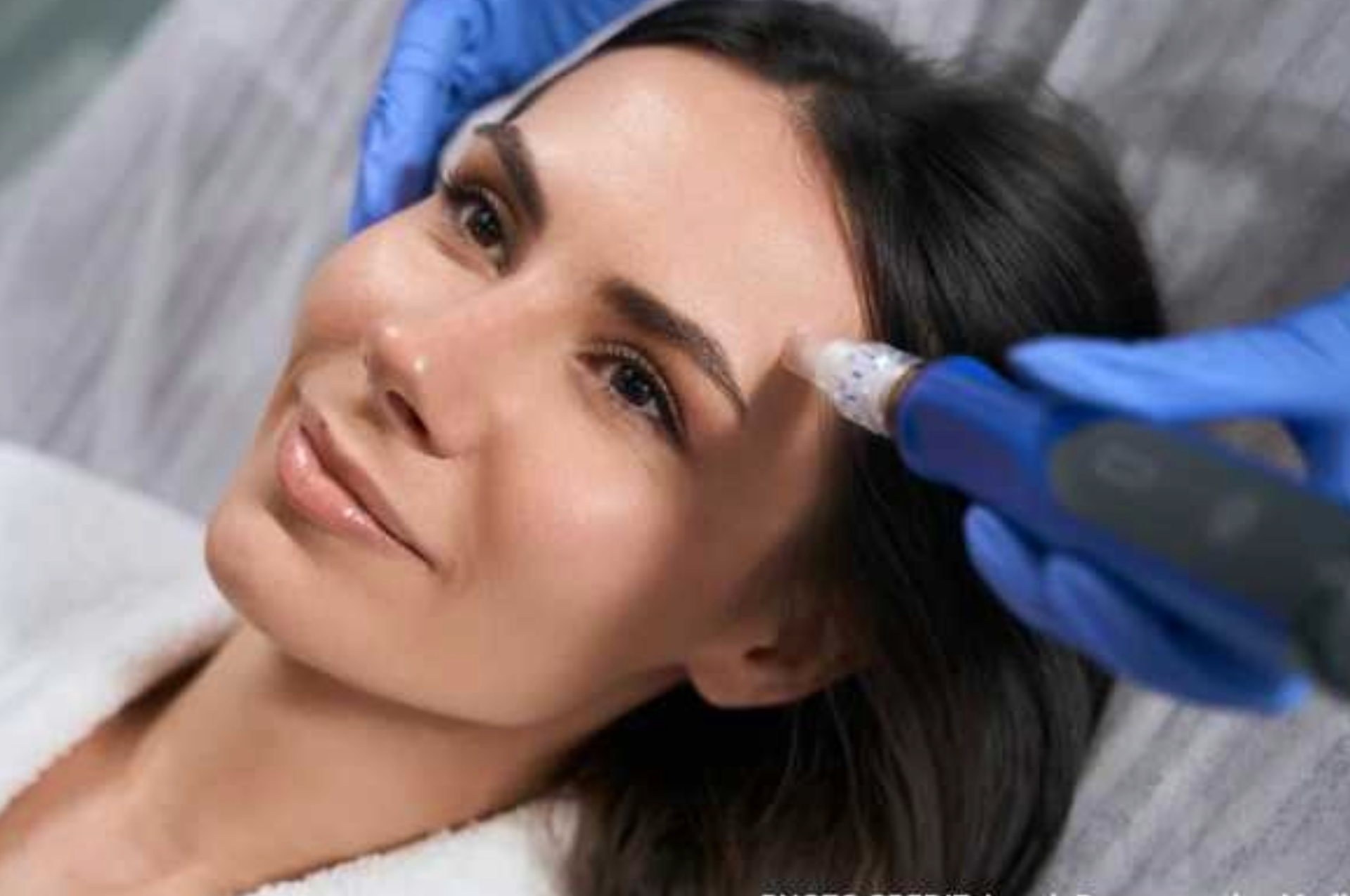
Exosome therapy with skin needling is now at Immortal Cosmedical in Bowral. 5 billion Exomide exosomes delivered deep into skin to regenerate, repair and glow.